
Psychology
Thinking, Fast and Slow
by Daniel Kahneman · 2011 · 499 pages
★4.17· 718K ratings
Thinking, Fast and Slow
Your brain has two operating systems. One is fast, intuitive, emotional. The other is slow, deliberate, logical. Understanding which one is running the show changes everything.
Takeaway 1: You Have Two Minds, Not One
Daniel Kahneman calls them System 1 and System 2.
System 1 operates automatically and instantly. It reads anger in a face before you consciously process it. It swerves to avoid the child who runs into the road. It finishes the sentence "bread and…"
System 2 is slow, effortful, deliberate. It handles long division, evaluating logical arguments, and deciding whether you can trust someone you just met.
The critical insight: we think we're using System 2 when we're actually using System 1 almost all the time. System 2 is lazy. It outsources to System 1 whenever it can. The result is that most of our "decisions" are really automatic responses wearing the costume of deliberation.
Takeaway 2: Cognitive Biases Are System 1 Errors
When System 1 handles a problem it wasn't designed for, it uses shortcuts called heuristics — mental rules of thumb that work most of the time but fail predictably.
Anchoring: The first number you hear shapes every number that follows. People shown a wheel of fortune landing on 65 before estimating "What percentage of African countries are in the UN?" guessed far higher than those shown 10. The wheel had nothing to do with the question. The brain anchored anyway.
Availability heuristic: We judge probability by how easily examples come to mind. Plane crashes feel more likely than car deaths because they dominate news coverage — even though you're 95x more likely to die in a car.
WYSIATI (What You See Is All There Is): System 1 builds the most coherent story it can from available information, then acts as if that's the complete picture. It doesn't register what it doesn't know.
Takeaway 3: Knowing About Biases Doesn't Make You Immune
This is the humbling part. Kahneman spent decades studying cognitive biases. He admits he's still susceptible to all of them.
Understanding System 1 doesn't give you a switch to turn it off. It gives you a pause button — if you remember to use it.
The practical move: before any significant decision, ask yourself, "Am I using System 1 or System 2 right now?" If you're tired, rushed, or emotionally activated, you're running on autopilot. That's fine for routine decisions. For important ones, deliberately slow down.
One technique that forces System 2 online: identify what you would need to believe for the opposite to be true. The discomfort that follows is the feeling of thinking.
Analysis
Thinking, Fast and Slow is one of the most empirically dense popular psychology books ever written. Kahneman earned a Nobel Prize in Economics for this research (conducted with Amos Tversky), and the book is essentially a 40-year career in 400 pages.
What makes it essential reading isn't any single finding — it's the cumulative case that human judgment is systematically fallible in ways that are predictable and exploitable. Once you understand the machinery, you start seeing it everywhere: in financial decisions, medical diagnoses, hiring choices, and your own daily reasoning.
The most important takeaway isn't a specific bias to watch for. It's the humility to know that confidence in your own thinking is itself a System 1 response.
About the Author
Daniel Kahneman is Professor Emeritus of Psychology and Public Affairs at Princeton University. He was awarded the Nobel Memorial Prize in Economic Sciences in 2002 for his work with Amos Tversky on prospect theory and the psychological mechanisms behind economic decision-making. He is widely regarded as one of the most important psychologists of the 20th century.
You Might Also Like
See all →
Man's Search for Meaning
Viktor Frankl

Maybe You Should Talk to Someone
Lori Gottlieb
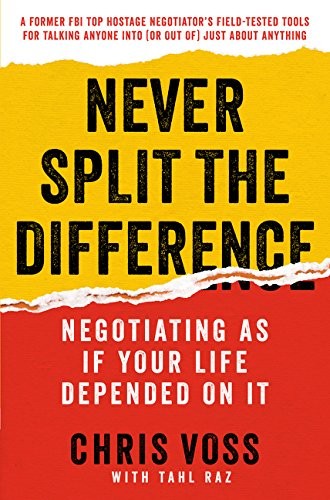
Never Split the Difference
Chris Voss
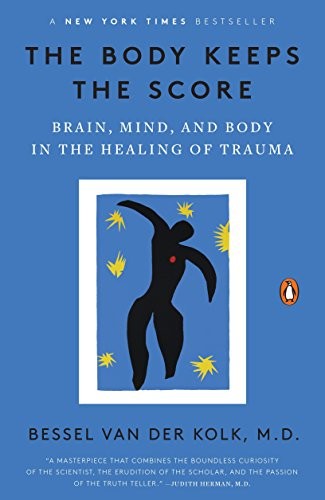
The Body Keeps the Score
Bessel van der Kolk

Nonviolent Communication
Marshall Rosenberg

Atomic Habits
James Clear

The 5 Love Languages
Gary Chapman

The Psychology of Money
Morgan Housel

The Seven Principles for Making Marriage Work
John Gottman
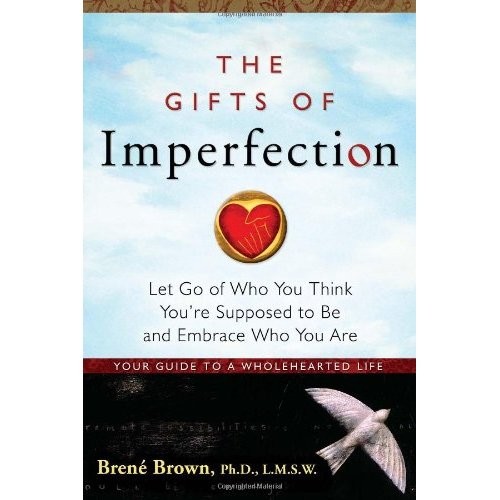
The Gifts of Imperfection
Brené Brown

How to Win Friends and Influence People
Dale Carnegie
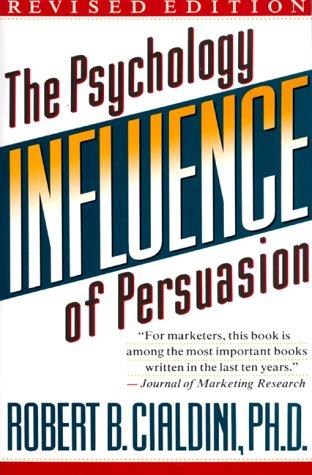
Influence
Robert Cialdini