
Mental Health
Maybe You Should Talk to Someone
by Lori Gottlieb · 2019 · 464 pages
★4.37· 238K ratings
Maybe You Should Talk to Someone
A therapist goes to therapy. What she discovers about herself and her patients reveals what all of us are really afraid of — and what healing actually looks like.
Takeaway 1: Therapists Have the Same Problems as Everyone Else
When Lori Gottlieb's long-term relationship suddenly ends, she finds herself doing something unprecedented: entering therapy as a patient. She is a therapist herself — and what she discovers is that knowing the techniques doesn't protect you from the pain.
This setup gives the book its unusual power. Gottlieb narrates two parallel stories: her sessions with her own therapist (Wendell) and her work with four patients whose struggles mirror, refract, and illuminate her own. The result is the most honest account of what therapy actually looks like from both sides.
The central revelation: therapists and patients are more alike than either wants to admit. Both come to therapy with the same fundamental fears — that they are unlovable, that life has no meaning, that they will die without having truly lived. The therapeutic encounter is two humans sitting with that shared condition.
Takeaway 2: We Are All Editing Our Own Stories
People come to therapy with a story about themselves and their lives that is usually a heavily edited version of reality. The edits are not lies. They are the stories we need to survive — the narratives that make our behavior make sense and assign blame correctly.
A patient who describes herself as "just trying to help" everyone may be editing out her need for control. A patient who describes himself as "unlucky in love" may be editing out his pattern of choosing unavailable people.
Therapy's job, in part, is to expand the story — to notice the edits and ask what got cut. The most important question is "what do you notice?" not "what do you think?" Thinking is often the problem. Noticing is where change begins.
Takeaway 3: The Four Ultimate Concerns
Drawing on existential psychology, Gottlieb identifies what patients are usually really struggling with beneath their presenting complaints:
- Death — the awareness that we will die, and that everyone we love will die
- Freedom — the terrifying reality that we are responsible for our own choices and lives
- Isolation — the unbridgeable gap between any two people, no matter how close
- Meaninglessness — the absence of any built-in meaning in existence
Most therapy involves helping people sit with one or more of these — not resolve them, because they can't be resolved. Just live with them without being destroyed by them.
The goal of therapy is not happiness. It's the ability to be present in your own life — which sometimes means being present for grief, uncertainty, and loss.
Analysis
Maybe You Should Talk to Someone is the best popular account of psychotherapy that exists. It works because Gottlieb is a skilled writer, a deeply honest person, and a genuinely good therapist — and all three qualities are visible on every page.
The book humanizes therapy in a way that textbooks cannot. It shows real transformation happening through the slow, difficult process of being known by another person and deciding to know yourself.
About the Author
Lori Gottlieb is a psychotherapist, New York Times contributing writer, and author. She writes the "Dear Therapist" column for The Atlantic and appears regularly as a mental health expert on radio and television.
You Might Also Like
See all →
The Body Keeps the Score
Bessel van der Kolk

The Gifts of Imperfection
Brené Brown
Reasons to Stay Alive
Matt Haig

Secure Love
Julie Menanno
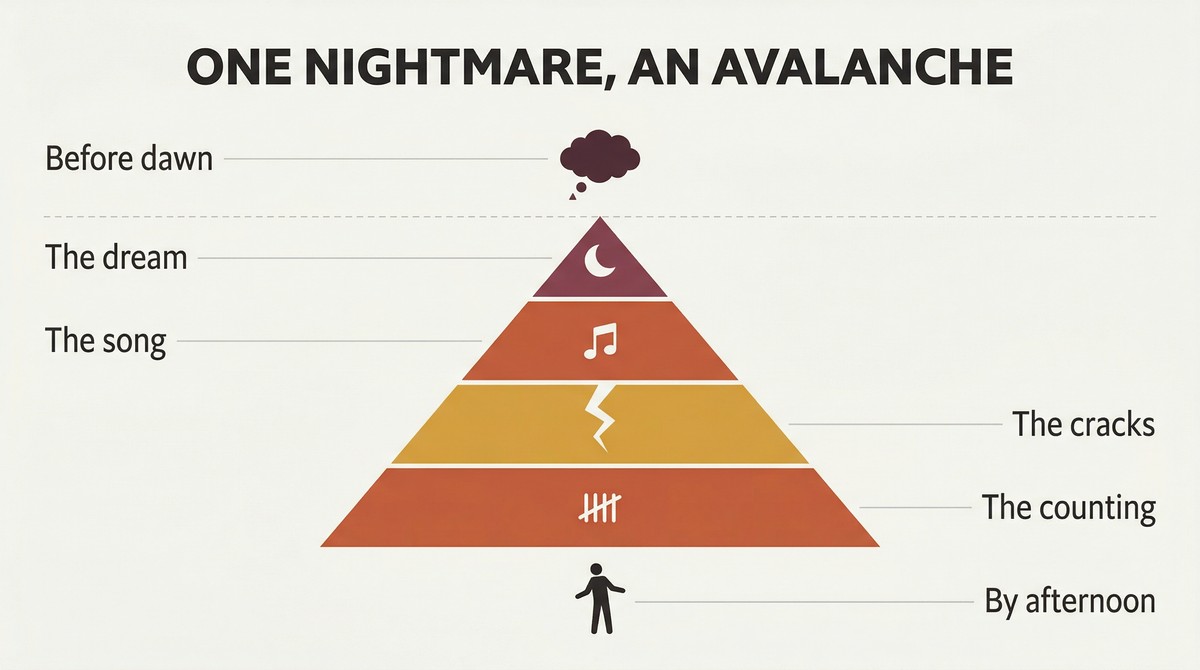
Obsessed
Allison Britz

Relationship OCD
Sheva Rajaee

Far From The Tree
Andrew Solomon
The Codependency Recovery Plan
Krystal Mazzola

When Things Fall Apart
Pema Chodron

This Naked Mind
Annie Grace

8 Keys to Safe Trauma Recovery
Babette Rothschild