
Psychology
Atomic Habits
by James Clear · 2018 · 306 pages
★4.32· 897K ratings
Atomic Habits
You don't rise to the level of your goals. You fall to the level of your systems. Small habits compound into extraordinary results — if you design them correctly.
Takeaway 1: Small Habits Compound — in Both Directions
The central metaphor of Atomic Habits: improving by 1% every day for a year doesn't result in 365% improvement. It results in 37x improvement, because gains compound.
The corollary most people miss: declining by 1% daily results in dropping to nearly zero. Habits work for you or against you on the same exponential curve.
This is why mediocre habits are so dangerous. They don't feel like much day-to-day. A missed workout doesn't matter. One junk food meal doesn't matter. But the trajectory does.
Clear's reframe: forget goals, focus on systems. Goals are outcomes. Systems are the processes that produce them. Two runners can have the same goal (finish a marathon) but very different systems. The system, not the goal, determines who actually crosses the line.
Takeaway 2: The Four Laws of Behavior Change
Clear distills habit formation into a simple four-law framework, derived from decades of behavioral psychology.
Make it obvious — Habits require a cue to trigger them. Environment design is more powerful than willpower. Put the guitar in the middle of the room. Put the vitamins next to the coffee maker. "Implementation intentions" — planning exactly when, where, and how — dramatically increase follow-through.
Make it attractive — We are motivated by dopamine, which spikes in anticipation of reward. Temptation bundling: pair a habit you need to build with something you already enjoy. Only listen to your favorite podcast while exercising.
Make it easy — Reduce friction to near zero. Want to meditate? Set a timer for two minutes. The Two-Minute Rule: any habit can be started in two minutes. You can't build a habit you don't start.
Make it satisfying — Behavior that feels good in the moment gets repeated. Track habits visually. "Don't break the chain." The satisfaction of marking a done box is a real reward. Use it.
Takeaway 3: Identity Is the Foundation
This is the insight that separates Atomic Habits from other habit books.
Most people try to change behavior by focusing on outcomes ("I want to lose 20 pounds"). Clear argues the deepest change happens at the level of identity ("I am someone who takes care of their body").
The process:
- Decide who you want to be
- Prove it to yourself with small wins
Every action you take is a vote for the type of person you're becoming. The two-minute workout you actually do matters more than the hour workout you skipped — not because of its fitness impact, but because it casts a vote for "I am someone who works out."
This shifts the motivation question from "how do I make myself do this?" to "what would a person like me do here?" Identity-based habits are self-sustaining in a way outcome-based habits aren't.
Analysis
Atomic Habits is an extraordinarily well-constructed book. Clear synthesizes research from behavioral psychology, neuroscience, and biology into a framework that is both rigorous and immediately actionable.
Its success (it spent over four years on bestseller lists) comes from the unusual combination of evidence-based foundation and specific, testable tactics. Each chapter ends with a clear action you can take today. The book practices what it preaches.
The most underrated insight: habits are not about discipline. They're about environment design and identity. Discipline is a finite resource. Well-designed systems require almost none.
About the Author
James Clear is a writer and speaker focused on habits, decision-making, and continuous improvement. He began writing about these topics on his website, where he built an audience of millions before writing Atomic Habits. The book has sold over 15 million copies worldwide.
You Might Also Like
See all →
Man's Search for Meaning
Viktor Frankl
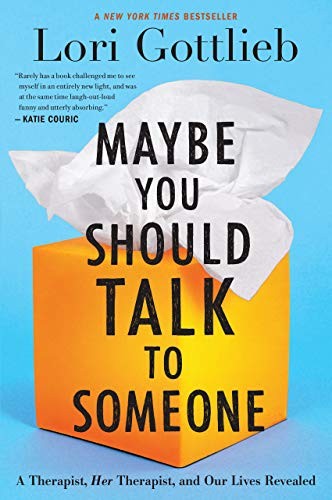
Maybe You Should Talk to Someone
Lori Gottlieb
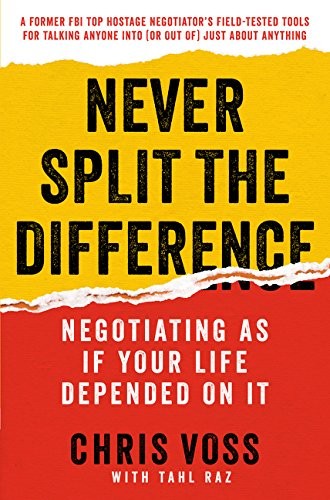
Never Split the Difference
Chris Voss
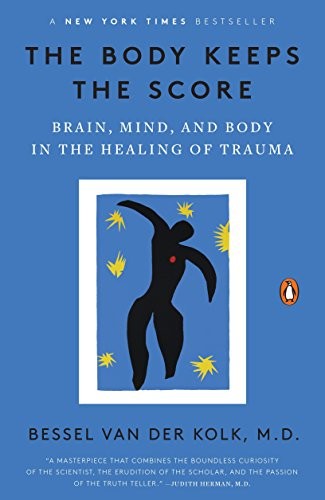
The Body Keeps the Score
Bessel van der Kolk

Nonviolent Communication
Marshall Rosenberg

The 5 Love Languages
Gary Chapman

The Psychology of Money
Morgan Housel

The Seven Principles for Making Marriage Work
John Gottman
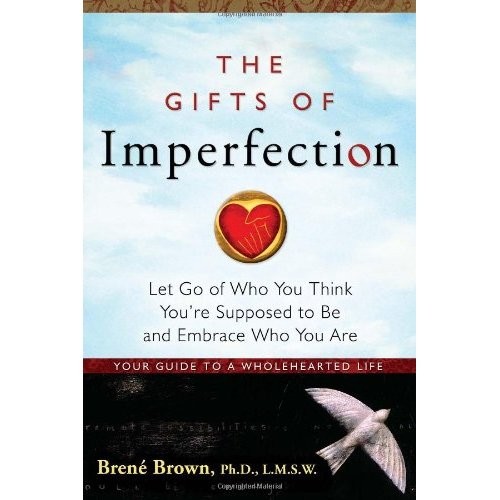
The Gifts of Imperfection
Brené Brown

How to Win Friends and Influence People
Dale Carnegie
Influence
Robert Cialdini