
Psychology
The Psychology of Money
by Morgan Housel · 2020 · 242 pages
★4.28· 578K ratings
The Psychology of Money
Financial success isn't about what you know. It's about how you behave. And behavior is hard to teach to people who think they need information.
Takeaway 1: Nobody's Crazy About Money
People who do financially "irrational" things are usually not stupid or ignorant. They're doing what makes sense given their own experience with money.
A child who grew up in poverty and finally has disposable income will spend it differently than someone who grew up upper-middle-class. Someone who lived through the Great Depression will treat money differently than someone who grew up during the 1990s bull market. We all make financial decisions through the lens of our own unique, unrepeatable experiences.
This reframe changes the question from "how do I get people to be rational?" to "what would the right behavior be for someone with this history?"
Takeaway 2: Wealth Is What You Don't See
Wealth is the money you haven't spent. It's invisible. What we see when we observe "wealth" — houses, cars, clothes — is actually consumption. Real wealth is stored, not displayed.
The person driving the expensive car is demonstrating that they once had money. The person with the brokerage account is demonstrating that they still have it.
We consistently conflate income with wealth, and spending with status. The unassuming neighbor with the old sedan might be a millionaire. The person in the fancy car might be asset-poor. Visible signals tell us nothing about the underlying financial reality.
Takeaway 3: The Goal Is Enough
The most important financial skill is raising your "enough" point — not your income or returns, but your definition of enough.
Unlimited ambition for more is not a strength. It's a trap. The goalposts keep moving. No amount is ever enough if enough has no definition.
The practical work: define specifically what "enough" looks like — in money, possessions, achievement. The people most at peace financially are rarely those with the most. They're those who know what enough is — and have reached it, or are credibly on their way.
Analysis
The Psychology of Money is not a personal finance book. It doesn't give investment advice. It's a behavioral and philosophical examination of why people make the financial decisions they make — and what decisions actually lead to wellbeing.
The most important contribution: moving the conversation about money from information to behavior. Knowing what to invest in matters far less than knowing how to think and feel about money in ways that actually serve you.
About the Author
Morgan Housel is a partner at Collaborative Fund and a former columnist for The Wall Street Journal and The Motley Fool. He is widely regarded as one of the best writers working at the intersection of psychology and personal finance.
You Might Also Like
See all →
Man's Search for Meaning
Viktor Frankl

Maybe You Should Talk to Someone
Lori Gottlieb
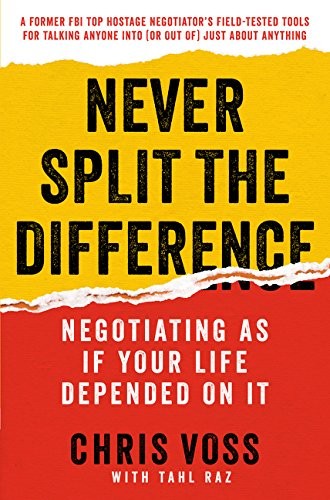
Never Split the Difference
Chris Voss

The Body Keeps the Score
Bessel van der Kolk

Nonviolent Communication
Marshall Rosenberg

Atomic Habits
James Clear

The 5 Love Languages
Gary Chapman

The Seven Principles for Making Marriage Work
John Gottman
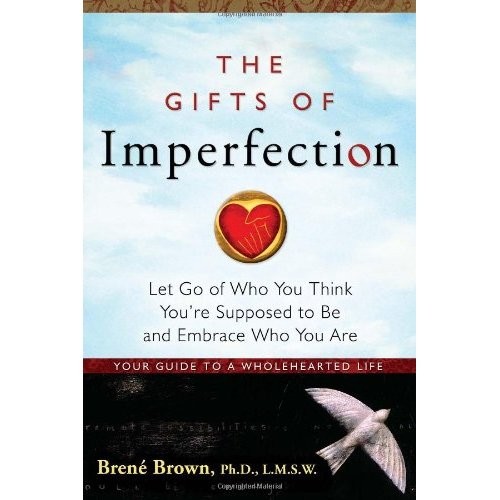
The Gifts of Imperfection
Brené Brown

How to Win Friends and Influence People
Dale Carnegie
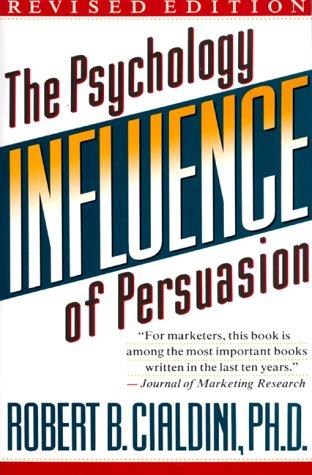
Influence
Robert Cialdini