
Relationships
Nonviolent Communication
by Marshall Rosenberg · 1999 · 244 pages
★4.33· 178K ratings
Nonviolent Communication
Most conflict is caused by a communication failure we don't notice: we express judgments when we mean to express feelings, and demands when we mean to express needs.
Takeaway 1: Most Conflict Is a Translation Problem
Marshall Rosenberg spent his career working in conflict zones — schools, prisons, corporate environments, war zones. His central finding: most interpersonal conflict is not about the conflict itself. It's about how people communicate about it.
Specifically: we habitually express judgments when we mean to express feelings, and demands when we mean to express needs.
"You're so irresponsible" is a judgment. What the speaker usually means is "I feel anxious when plans change at the last minute, and I need reliability." The first triggers defensiveness. The second opens dialogue.
Nonviolent Communication (NVC) is a four-step framework for communicating without triggering the other person's defenses:
- Observation — what I actually see or hear (without evaluation)
- Feeling — what I feel (without blame)
- Need — what I need that's not being met
- Request — a specific, actionable request (not a demand)
Takeaway 2: Feelings Are Information About Needs
Rosenberg distinguishes between feelings (internal emotional states) and pseudo-feelings (evaluations disguised as feelings).
Real feelings: anxious, sad, frustrated, grateful, relieved, afraid, joyful, confused.
Pseudo-feelings: "I feel like you don't care." "I feel abandoned." "I feel manipulated." These are actually thoughts about another person's behavior — they contain implicit blame.
The shift: feelings are always about unmet or met needs, never about what someone else does. "I feel anxious" is true. "I feel anxious because you did X" places responsibility for my feelings on you — which is both untrue and unfair.
This is the hardest part of NVC. We are deeply habituated to making others responsible for our feelings. Owning our feelings as information about our own needs is confronting — and transformative.
Takeaway 3: Empathy Before Solutions
One of Rosenberg's most counterintuitive findings: in conflict, the impulse to solve, advise, or explain is almost always premature.
What people most need before they can hear anything is to feel truly heard. Not agreed with. Not fixed. Heard.
Empathy in NVC is not sympathy ("that must be terrible") or advice ("you should...") or relating ("something similar happened to me..."). It's presence — staying fully with the other person's experience long enough for them to feel understood.
When someone feels genuinely heard, their nervous system settles. The defensiveness drops. Only then is real communication possible.
The practical rule: before sharing your own perspective, confirm that the other person feels heard. "It sounds like you're feeling frustrated because you needed to be included in that decision. Is that right?"
Analysis
Nonviolent Communication is simultaneously one of the most practically useful communication books ever written and one of the most frequently misunderstood.
The misunderstanding: NVC is not about being soft, passive, or accommodating. It's about communicating with precision and honesty — saying exactly what you observe, feel, and need without contaminating it with judgment or blame. This is actually harder and more confronting than most communication.
The framework works with extraordinary effectiveness in conflict resolution, parenting, couples therapy, and workplace settings. Its applications are broad precisely because its focus is narrow: the relationship between observation, feeling, and need in any human interaction.
About the Author
Marshall Rosenberg (1934–2015) was an American psychologist who developed Nonviolent Communication in the 1960s. He founded the Center for Nonviolent Communication and spent decades facilitating dialogue in conflict zones around the world, including in Israel/Palestine, Rwanda, and South Africa. He trained mediators in over 60 countries.
You Might Also Like
See all →
Never Split the Difference
Chris Voss

The 5 Love Languages
Gary Chapman

The Seven Principles for Making Marriage Work
John Gottman

How to Win Friends and Influence People
Dale Carnegie

Attached
Amir Levine
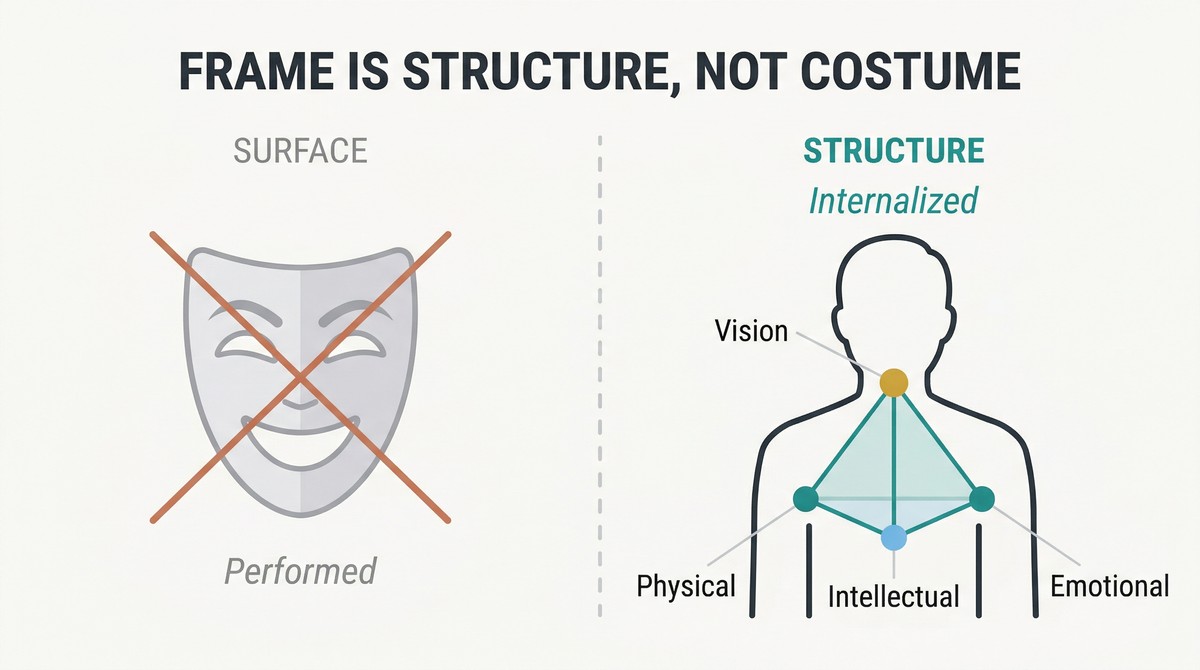
Praxeology, Volume 1
Rian Stone

Keys to the Kingdom
Alison A. Armstrong
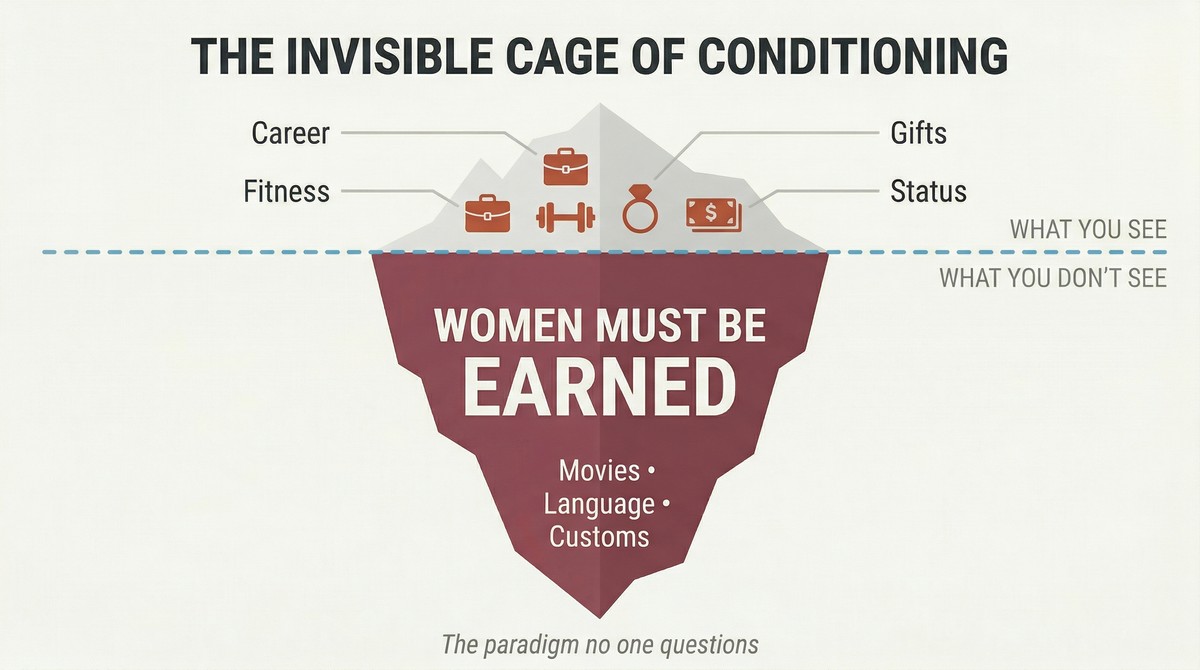
The Manual
W. Anton
How to Be a 3% Man, Winning the Heart of the Woman of Your Dreams
Corey Wayne
Dating Essentials for Men
Robert A. Glover
The Truth
Neil Strauss