
Relationships
How to Win Friends and Influence People
by Dale Carnegie · 1936 · 288 pages
★4.22· 892K ratings
How to Win Friends and Influence People
Written in 1936 and still one of the most useful books on human relations ever written. Carnegie's insight: people don't want to be changed — they want to be understood.
Takeaway 1: The Fundamental Secret of Dealing With People
Dale Carnegie opens with what he considers the most important principle in human relations: never criticize, condemn, or complain.
Not because criticism is always wrong, but because it almost never works. When people feel criticized, they become defensive. Their energy goes into justifying themselves, not into changing. The criticized behavior typically continues or gets worse.
Decades of social psychology have confirmed Carnegie's intuition. People do not respond to criticism by updating their behavior — they respond by protecting their self-image. If you want someone to change, criticism is one of the least effective tools available.
The alternative: look for something genuine to appreciate. Start from strength, not weakness. It's not manipulation — it's working with human psychology rather than against it.
Takeaway 2: Become Genuinely Interested in Other People
Most people listen with the intent to reply, not to understand. Most conversation is two people waiting for their turn. Carnegie argues this is both socially ineffective and personally impoverishing.
The most socially magnetic people — the ones everyone describes as wonderful conversationalists — are not necessarily brilliant talkers. They're often simply people who pay deep, genuine attention to whoever they're speaking with.
The practical principle: before any conversation you want to go well, ask yourself: "What do I actually want to understand about this person?" Go into it curious, not presenting. The conversation will transform.
This is not a technique to manipulate people into liking you. It's a reorientation toward other people's inner lives. And it happens to produce the side effect that people find it enormously pleasant to be around you.
Takeaway 3: The Only Way to Win an Argument Is to Avoid It
Carnegie's chapter on argument is counterintuitive: you can't win an argument with another person. Even if you're completely right and you prove it decisively, you've wounded the other person's pride. They'll find a way to discount your logic, and they'll resent you.
The goal in most interpersonal conflict is not to win. It's to achieve a desired outcome (behavior change, agreement, cooperation) while preserving the relationship. Winning arguments achieves neither.
The practical alternative: find points of genuine agreement before points of disagreement. Let the other person do most of the talking. Ask questions that allow them to reach your conclusion themselves. The idea they arrive at feels like theirs — which means they'll defend it.
Analysis
How to Win Friends and Influence People was published in 1936 and has sold over 30 million copies. It remains one of the best-selling self-help books of all time — which suggests it continues to work.
The principles are not subtle. They're simple, sometimes obvious-sounding, and require practice rather than insight. The gap between knowing Carnegie's principles and living them is large. The book is worth rereading not to extract new information, but as a reminder that you already know what to do and need to practice it.
About the Author
Dale Carnegie (1888–1955) was an American writer and lecturer and a pioneer of the self-improvement movement. He developed courses in self-improvement, salesmanship, corporate training, public speaking, and interpersonal skills. His 1936 book remains one of the best-selling books of all time.
You Might Also Like
See all →
Never Split the Difference
Chris Voss

Nonviolent Communication
Marshall Rosenberg

The 5 Love Languages
Gary Chapman

The Seven Principles for Making Marriage Work
John Gottman

Attached
Amir Levine
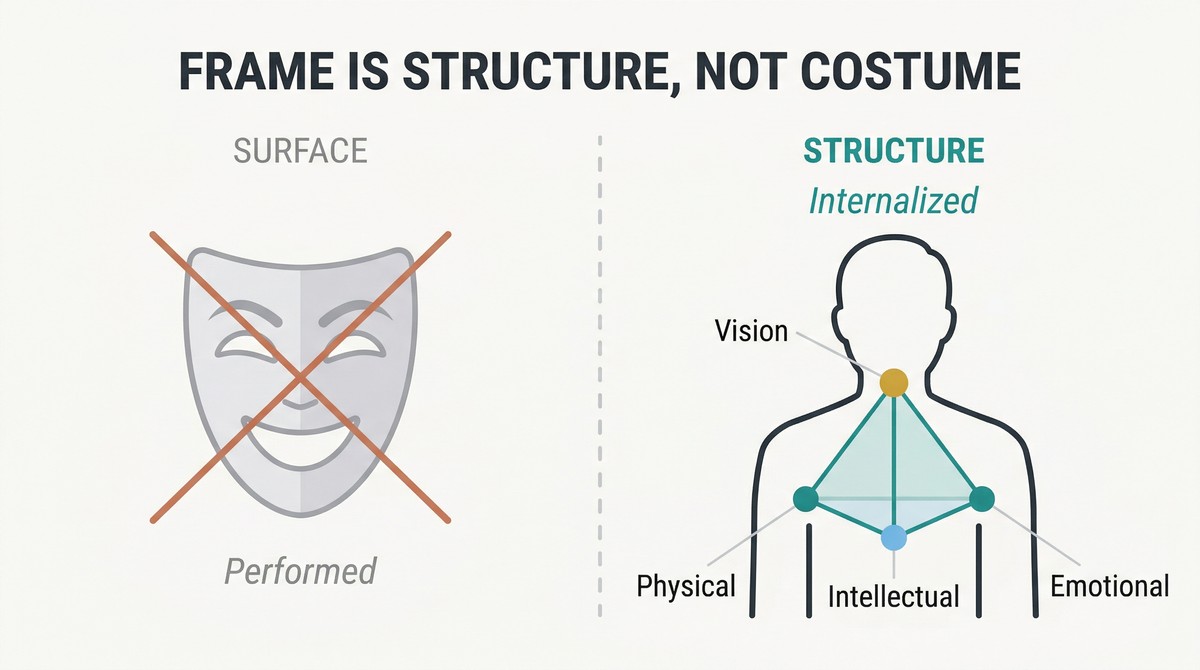
Praxeology, Volume 1
Rian Stone

Keys to the Kingdom
Alison A. Armstrong
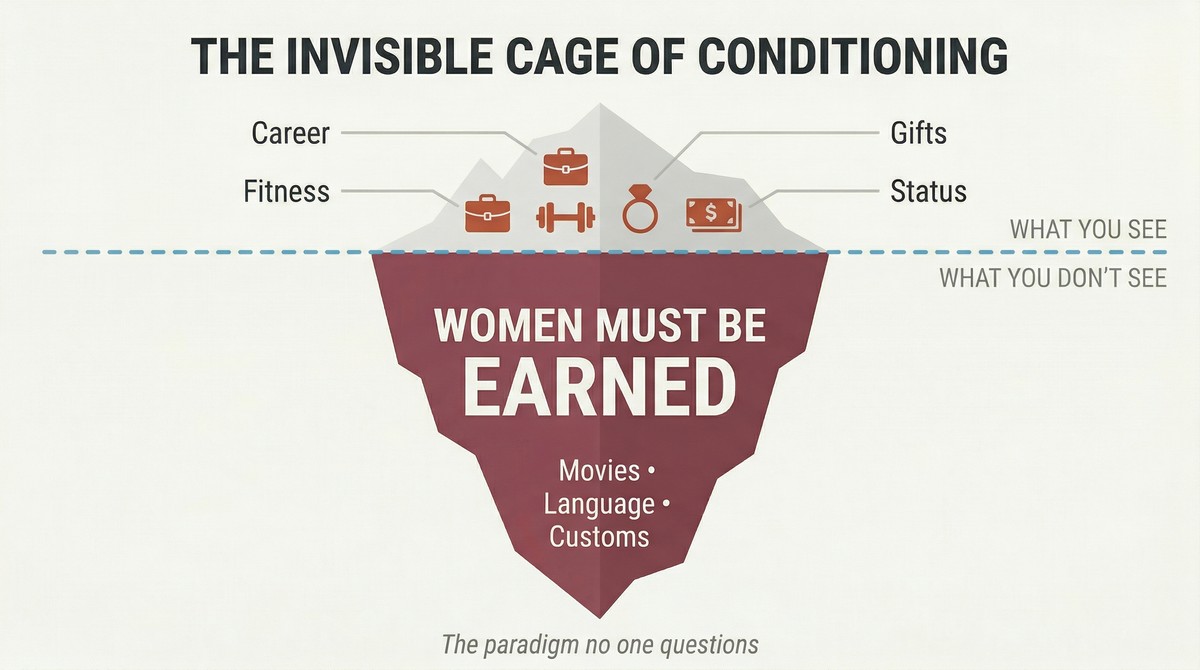
The Manual
W. Anton
How to Be a 3% Man, Winning the Heart of the Woman of Your Dreams
Corey Wayne
Dating Essentials for Men
Robert A. Glover
The Truth
Neil Strauss