
Relationships
The 5 Love Languages
by Gary Chapman · 1990 · 208 pages
★4.28· 516K ratings
The 5 Love Languages
You might be showing love constantly — and your partner might not feel it at all. The problem isn't effort. It's language.
Takeaway 1: People Experience Love in Different Ways
Gary Chapman, a marriage counselor, noticed a pattern in couples counseling: people who clearly loved each other still felt unloved by their partners. The effort was there. The love was real. But something wasn't connecting.
His explanation: we each have a primary love language — a way of experiencing love that feels most meaningful to us. When partners speak different love languages, genuine love gets lost in translation.
The five languages:
- Words of Affirmation — verbal expressions of love, appreciation, encouragement
- Quality Time — undivided attention and focused presence
- Receiving Gifts — meaningful objects that symbolize thought and care
- Acts of Service — doing things to help, reduce burden, demonstrate care
- Physical Touch — non-sexual physical connection, affection, presence
Most people naturally express love in their primary language — not their partner's. The husband who works 60-hour weeks to provide for his family (Acts of Service) is showing love as best he knows how. His wife who desperately wants to spend evenings together (Quality Time) doesn't experience it as love. Both are trying. Neither is getting through.
Takeaway 2: Your Love Language Is Shaped by Your History
We develop our primary love language through a combination of childhood experience and what makes us feel most valued.
People whose love language is Words of Affirmation often grew up in households where verbal encouragement was rare and precious. People whose language is Physical Touch may have had caregivers who were physically warm and present.
The practical implication: your partner's love language is not random and is probably not the same as yours. What fills your emotional tank is not necessarily what fills theirs. The only way to know is to ask — and to observe what they complain about most, which often reveals what they most need.
Takeaway 3: Love Is a Choice That Requires Effort After the Initial Rush
Chapman distinguishes between the "in love" feeling (typically lasting 18 months to 3 years) and real love — the deliberate choice to invest in another person's wellbeing.
The "in love" stage is largely involuntary and doesn't require effort. It floods the brain with chemicals that make the other person endlessly fascinating and our own needs temporarily invisible. This is nature's trick for getting people together.
Real love is different. It requires learning another person's language and speaking it consistently — even when you don't feel like it, even after the initial rush has faded.
This framing changes the "I don't feel in love anymore" crisis many couples experience. Feelings are downstream of behavior. Choosing to speak your partner's language — even when the feeling isn't there — often produces the feeling over time.
Analysis
The 5 Love Languages is one of the best-selling relationship books of all time, with over 20 million copies sold. Its framework is simple, memorable, and immediately applicable — which explains its longevity.
Critics note it's less empirically rigorous than attachment theory research and that the five categories are somewhat arbitrary. But its practical utility is real. The concept that people experience love differently, and that mismatched expression can explain sustained disconnection in loving relationships, is genuinely useful.
The most valuable use of the framework is not diagnosing yourself — it's creating curiosity about your partner. What actually makes them feel loved? The answer may surprise you.
About the Author
Gary Chapman is a marriage counselor and author who has been in ministry for over 35 years. He developed the Love Languages framework through his work with hundreds of couples and first published the book in 1992. He hosts the radio show A Love Language Minute and Building Relationships with Gary Chapman.
You Might Also Like
See all →
Never Split the Difference
Chris Voss

Nonviolent Communication
Marshall Rosenberg

The Seven Principles for Making Marriage Work
John Gottman

How to Win Friends and Influence People
Dale Carnegie
Attached
Amir Levine
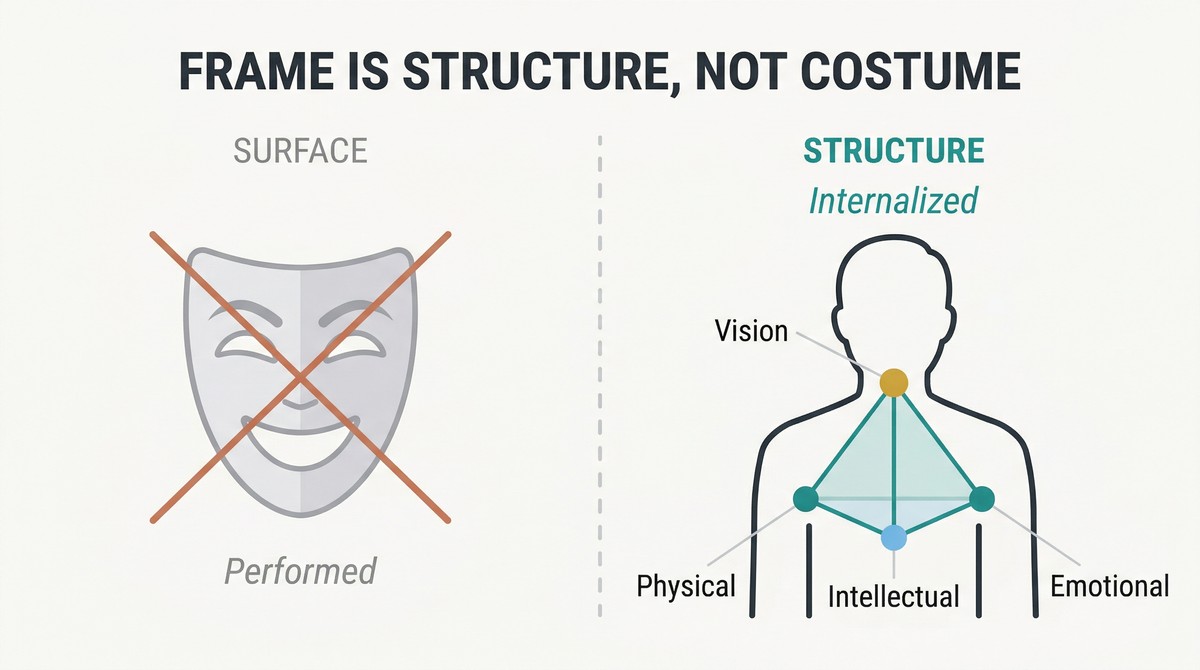
Praxeology, Volume 1
Rian Stone
Keys to the Kingdom
Alison A. Armstrong
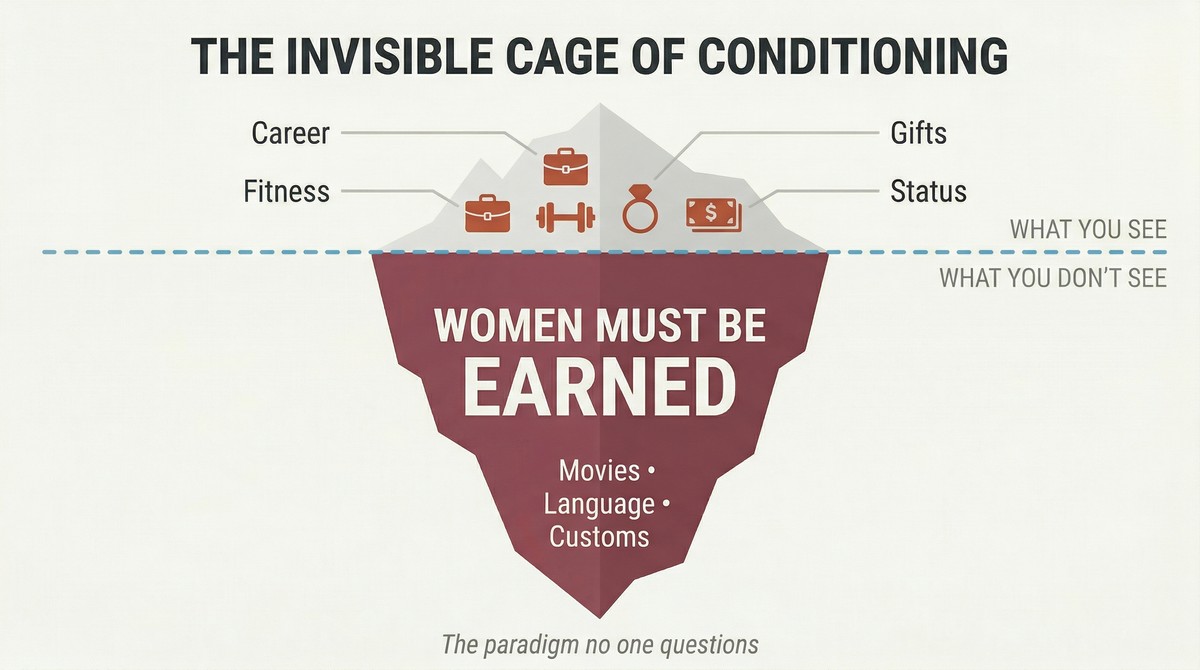
The Manual
W. Anton
How to Be a 3% Man, Winning the Heart of the Woman of Your Dreams
Corey Wayne
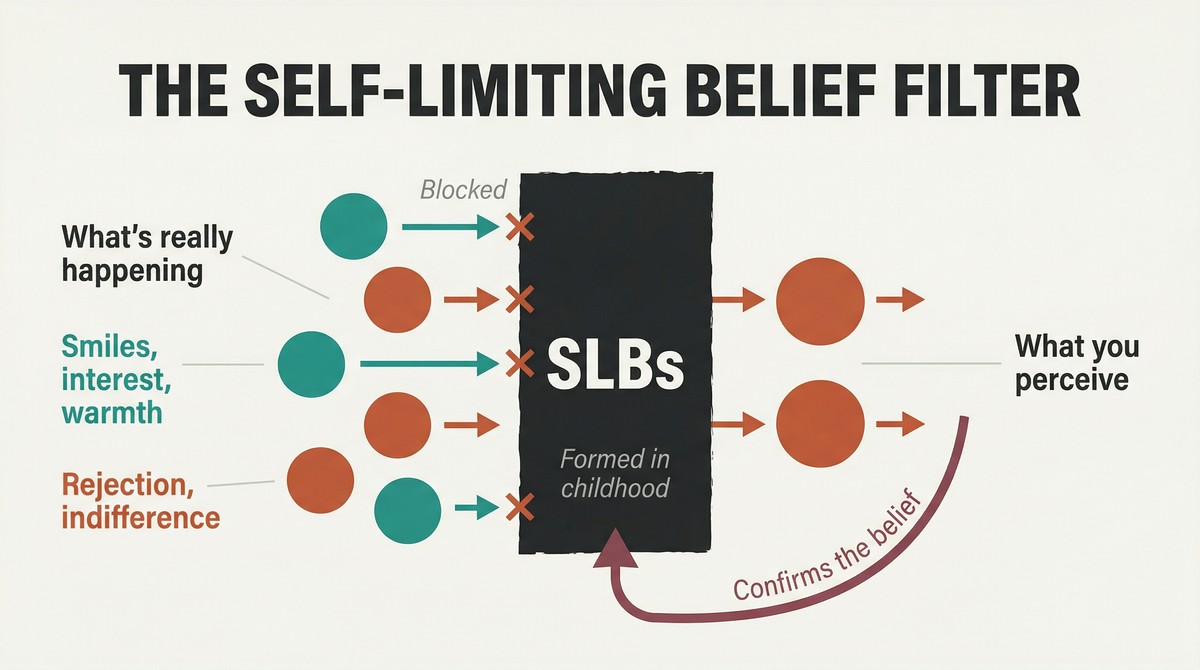
Dating Essentials for Men
Robert A. Glover
The Truth
Neil Strauss