
Psychology
Flow
by Mihaly Csikszentmihalyi · 1990 · 322 pages
★4.11· 196K ratings
Flow
Happiness is not found in relaxation or pleasure. It's found in full engagement with a challenging task. The state of flow is the science of optimal human experience.
Takeaway 1: Flow Is the Optimal Human Experience
Mihaly Csikszentmihalyi spent decades studying what makes people deeply happy — not pleasurably happy, but profoundly, sustainably happy. His finding surprised him: it wasn't leisure, vacation, or relaxation. It was complete absorption in challenging, purposeful activity.
He called this state flow: a condition in which:
- You are fully concentrated on the task at hand
- Action and awareness merge — you lose track of yourself
- Time distorts (often seems to speed up)
- The activity feels intrinsically rewarding — worth doing for its own sake
- There's a sense of control and competence
Flow is reported by surgeons in the middle of complex procedures, rock climbers on difficult routes, musicians improvising, chess players mid-game, writers in the zone. What these activities have in common is not the domain — it's the structure.
Takeaway 2: The Flow Channel — Challenge vs. Skill
Flow occurs in a specific zone: when the challenge level of an activity is matched to your skill level.
If the challenge is too low for your skill, you feel bored. If it's too high, you feel anxious. Flow happens in the channel between boredom and anxiety — when you're stretched, but not overwhelmed.
The practical implication: you can engineer flow by calibrating the challenge. Add difficulty when you're bored. Break the task into manageable components when you're anxious. The goal is always to be at the edge of your current ability.
This also explains why video games are so compelling: they're masterworks of flow engineering. They calibrate challenge precisely, provide instant feedback, create clear goals, and expand the challenge as skill improves.
Takeaway 3: Happiness Is Not Relaxation — It Requires Investment
One of Csikszentmihalyi's most counterintuitive findings: people consistently report being happier during active, challenging engagement than during passive leisure — even though they consistently predict they'll be happier relaxing.
Television, idle scrolling, passive consumption — these activities feel appealing as rest. But the research shows they produce low engagement, little positive emotion, and quickly become tedious. They require nothing of us — and the self that's not invested feels empty.
The design principle for a good life: maximize time spent in flow. Which means maximizing time spent in activities that:
- Have clear goals
- Provide immediate feedback
- Require full concentration
- Stretch current abilities
Work, for most people, has this structure more than leisure does — which is why people often feel worse on Mondays than Fridays, but better during work than they do watching television.
Analysis
Flow is one of the founding texts of positive psychology. Csikszentmihalyi's research established that psychology could study what makes human experience good, not just what makes it pathological.
The book is denser and more academic than most popular psychology books, but the ideas are worth the work. The flow model has been applied in education, game design, organizational psychology, and sports coaching.
The most important takeaway: optimal experience is not passive. It requires effort, investment, and risk of failure. The good life is not a comfortable life. It's a fully engaged one.
About the Author
Mihaly Csikszentmihalyi (1934–2021) was Distinguished Professor of Psychology and Management at Claremont Graduate University. He was one of the founders of positive psychology and is regarded as one of the world's leading researchers on creativity and happiness. His TED Talk on flow has been viewed over 7 million times.
You Might Also Like
See all →
Man's Search for Meaning
Viktor Frankl
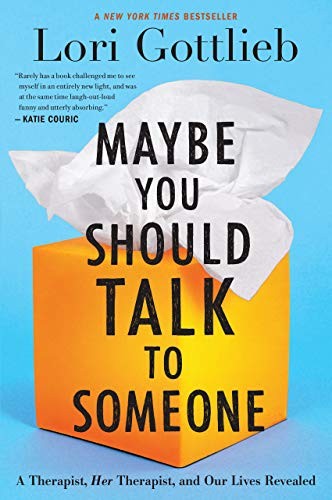
Maybe You Should Talk to Someone
Lori Gottlieb
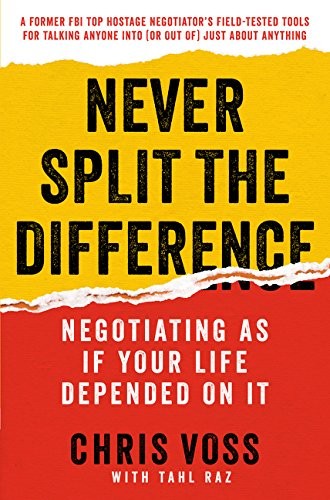
Never Split the Difference
Chris Voss
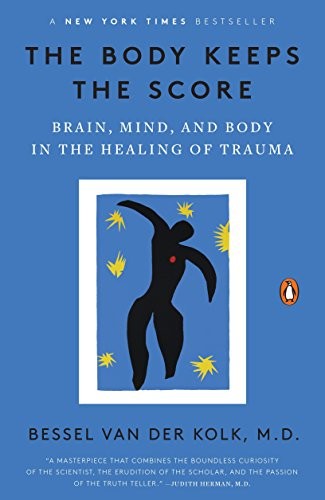
The Body Keeps the Score
Bessel van der Kolk

Nonviolent Communication
Marshall Rosenberg

Atomic Habits
James Clear

The 5 Love Languages
Gary Chapman

The Psychology of Money
Morgan Housel

The Seven Principles for Making Marriage Work
John Gottman
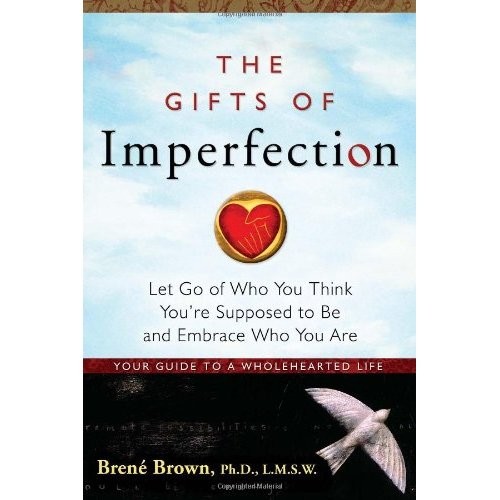
The Gifts of Imperfection
Brené Brown

How to Win Friends and Influence People
Dale Carnegie
Influence
Robert Cialdini