Psychology
Blink
by Malcolm Gladwell · 2020 · 296 pages
★4.41· 1853 ratings
Blink
Two seconds of observation can outperform months of analysis
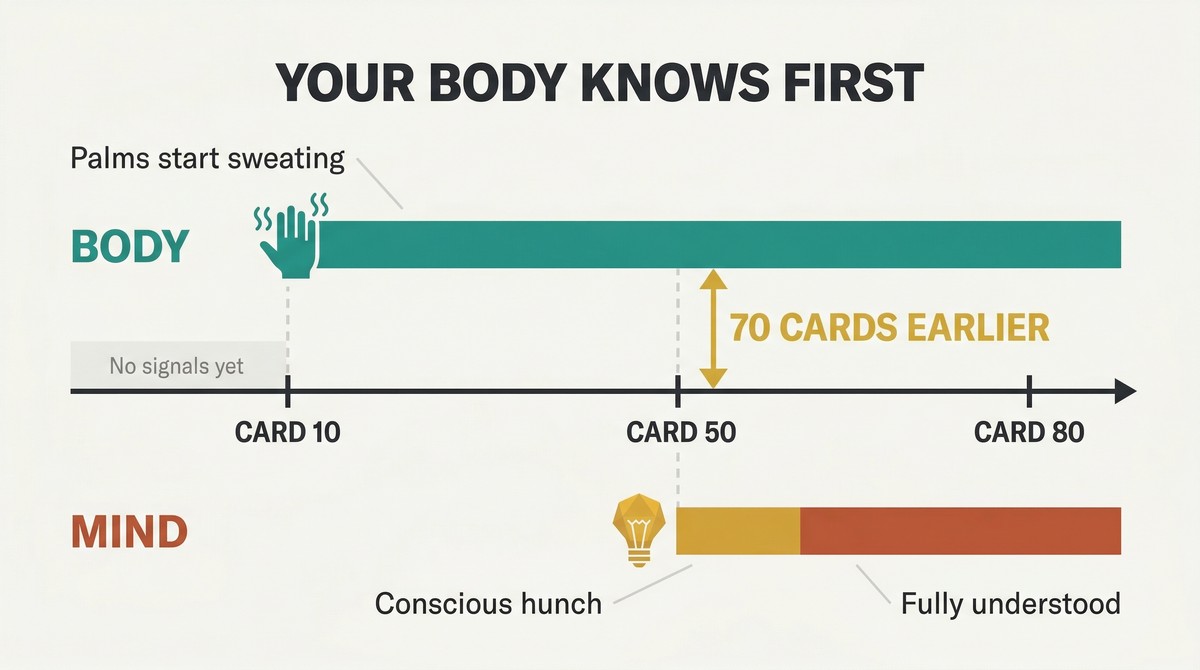
“ We need to respect the fact that it is possible to know without knowing why we know and accept that — sometimes — we're better off that way. ” e.style.display='none');if(typeof getContentsSections==='function')setTimeout(getContentsSections,50)" /> The Iowa gambling experiment demonstrated this dramatically. Researchers gave subjects four decks of cards — two red (high rewards but devastating losses) and two blue (steady, modest payouts). Most people developed a conscious hunch about the red decks around card 50 and fully figured out the game by card 80. But sensors measuring palm sweat told
Lesson 1: Two seconds of observation can outperform months of analysis
This principle from Blink is backed by Malcolm Gladwell's extensive research and real-world examples. Understanding it deeply can shift how you approach decisions, relationships, and long-term planning in meaningful ways.
Lesson 2: To predict divorce, ignore the fights — watch for contempt
A core theme in Blink is humility about what we can and cannot know. Malcolm Gladwell shows that the most resilient people and systems aren't those that predict correctly — they're the ones built to survive being wrong.
How to Apply Blink's Lessons
The real value of Blink lies in its applicability. After reading, the most important step is identifying which of Malcolm Gladwell's principles speak most directly to your current situation.
Consider keeping a journal while reading — noting where the ideas challenge your current approach and where they confirm what you already suspected. The friction of your own resistance often points to the most important insights.
Key Quote
"Two seconds of observation can outperform months of analysis" — Malcolm Gladwell, Blink
About the Author
Malcolm Gladwell is the author of Blink. The book reflects years of research, observation, and synthesis of evidence from multiple disciplines.
You Might Also Like
See all →
Man's Search for Meaning
Viktor Frankl
Maybe You Should Talk to Someone
Lori Gottlieb
Never Split the Difference
Chris Voss
The Body Keeps the Score
Bessel van der Kolk

Nonviolent Communication
Marshall Rosenberg

Atomic Habits
James Clear

The 5 Love Languages
Gary Chapman

The Psychology of Money
Morgan Housel

The Seven Principles for Making Marriage Work
John Gottman
The Gifts of Imperfection
Brené Brown

How to Win Friends and Influence People
Dale Carnegie
Influence
Robert Cialdini