Philosophy
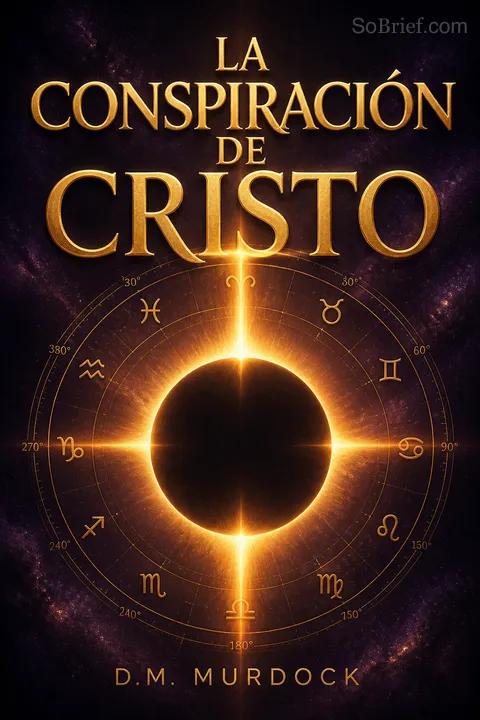
The Christ Conspiracy
by D.M. Murdock · 1984
★4.26
The Christ Conspiracy
9 Takeaways: 1) Jesus Christ is a mythical figure, not a historical person.
Key Insight 1: Jesus Christ is a mythical figure, not a historical person.
This insight from The Christ Conspiracy by D.M. Murdock represents one of the foundational ideas in this philosophical work.
Key Insight 2: Non-biblical historical sources offer no credible evidence for Jesus.
This insight from The Christ Conspiracy by D.M. Murdock represents one of the foundational ideas in this philosophical work.
Key Insight 3: The New Testament texts are unreliable, forged, and contradictory.
This insight from The Christ Conspiracy by D.M. Murdock represents one of the foundational ideas in this philosophical work.
Key Insight 4: Christianity is a synthesis of older Pagan and Jewish myths and rituals.
This insight from The Christ Conspiracy by D.M. Murdock represents one of the foundational ideas in this philosophical work.
Key Insight 5: Jesus's life story parallels numerous pre-Christian savior gods.
This insight from The Christ Conspiracy by D.M. Murdock represents one of the foundational ideas in this philosophical work.
Key Insight 6: The Bible is fundamentally an astrotheological text.
This insight from The Christ Conspiracy by D.M. Murdock represents one of the foundational ideas in this philosophical work.
Key Insight 7: Early critics and "heretics" denied Jesus's physical existence.
This insight from The Christ Conspiracy by D.M. Murdock represents one of the foundational ideas in this philosophical work.
Key Insight 8: Christianity was a deliberate creation by specific brotherhoods.
This insight from The Christ Conspiracy by D.M. Murdock represents one of the foundational ideas in this philosophical work.
Key Insight 9: Rome adopted Christianity for power and suppressed dissent.
This insight from The Christ Conspiracy by D.M. Murdock represents one of the foundational ideas in this philosophical work.
You Might Also Like
See all →
Man's Search for Meaning
Viktor Frankl

Doorway to Artistry
Esther Lightcap Meek
IGNORANCE (L')
Milan Kundera
Awakening From the Meaning Crisis
John Vervaeke
Buddhism
Alan W. Watts
Power, Freedom, and Grace
Deepak Chopra
365 Science of Mind
Ernest Shurtleff Holmes
The Psychology of Human Misjudgement
Charles T. Munger

Everything Is Never Enough
Bobby Jamieson
Hyperreality
Mike Hockney
Love Thy Body
Nancy R. Pearcey
The Matter With Things
Iain McGilchrist