Philosophy
Galileo's Error
by Philip Goff · 2024 · 192 pages
★4.47· 301 ratings
Galileo's Error
Science was built to exclude consciousness — of course it can't explain it
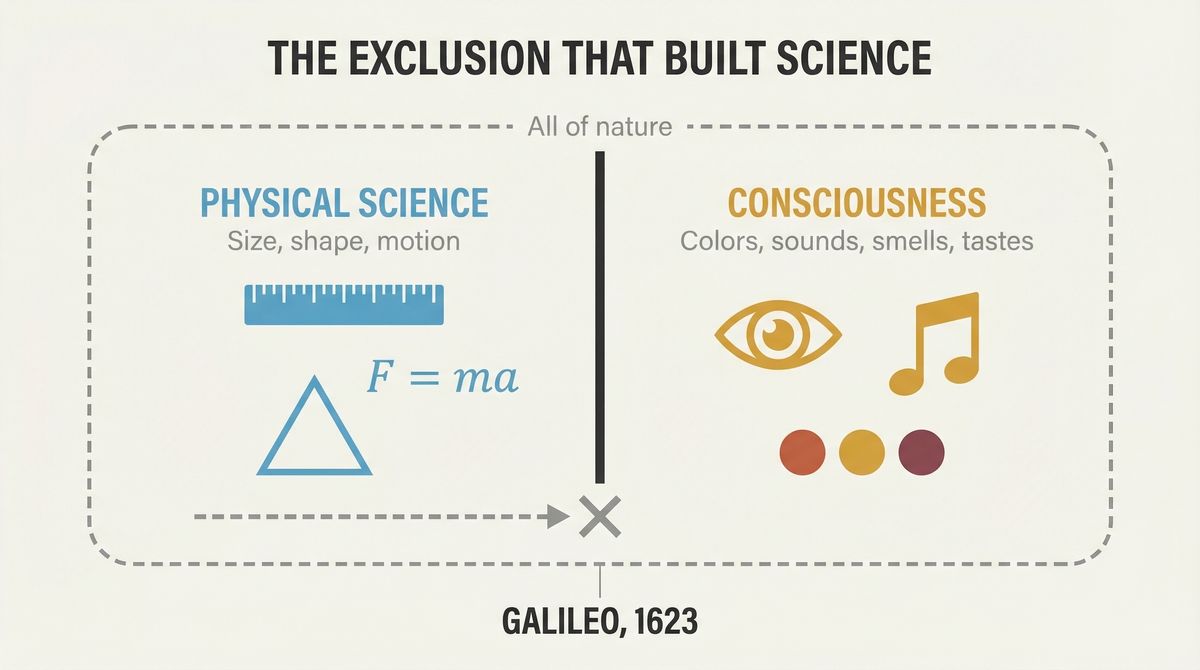
“ Galileo's error was to commit us to a theory of nature which entailed that consciousness was essentially and inevitably mysterious. ” e.style.display='none');if(typeof getContentsSections==='function')setTimeout(getContentsSections,50)" /> In 1623, Galileo made a fateful philosophical move. To make nature describable in mathematics, he stripped matter of sensory qualities — colors, smells, tastes, sounds — and relocated them to the soul. What remained (size, shape, location, motion) could be captured in equations. This was the birth of mathematical physics, and it worked spectacularly well.
Lesson 1: Science was built to exclude consciousness — of course it can't explain it
This principle from Galileo's Error is backed by Philip Goff's extensive research and real-world examples. Understanding it deeply can shift how you approach decisions, relationships, and long-term planning in meaningful ways.
Lesson 2: Physics reveals what matter does, never what it is
This principle from Galileo's Error is backed by Philip Goff's extensive research and real-world examples. Understanding it deeply can shift how you approach decisions, relationships, and long-term planning in meaningful ways.
Lesson 3: No amount of neuroscience will teach a blind person what colors look like
This principle from Galileo's Error is backed by Philip Goff's extensive research and real-world examples. Understanding it deeply can shift how you approach decisions, relationships, and long-term planning in meaningful ways.
How to Apply Galileo's Error's Lessons
The real value of Galileo's Error lies in its applicability. After reading, the most important step is identifying which of Philip Goff's principles speak most directly to your current situation.
Consider keeping a journal while reading — noting where the ideas challenge your current approach and where they confirm what you already suspected. The friction of your own resistance often points to the most important insights.
Key Quote
"Science was built to exclude consciousness — of course it can't explain it" — Philip Goff, Galileo's Error
About the Author
Philip Goff is the author of Galileo's Error. The book reflects years of research, observation, and synthesis of evidence from multiple disciplines.
You Might Also Like
See all →
Man's Search for Meaning
Viktor Frankl
The Matter With Things
Iain McGilchrist
Justice
Michael J. Sandel
The Prince
Niccolò Machiavelli
Letters from a Stoic
Seneca
The Intellectual Life
Antonin Sertillanges
A Thousand Plateaus
Gilles Deleuze
Freedom from the Known
J. Krishnamurti
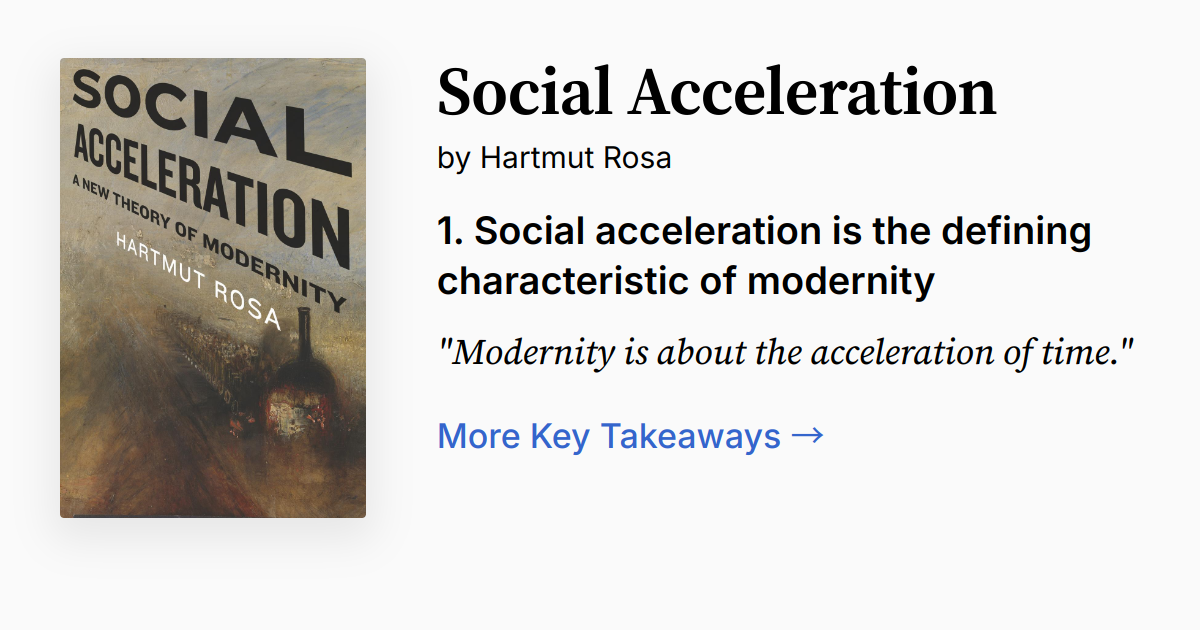
Social Acceleration
Hartmut Rosa
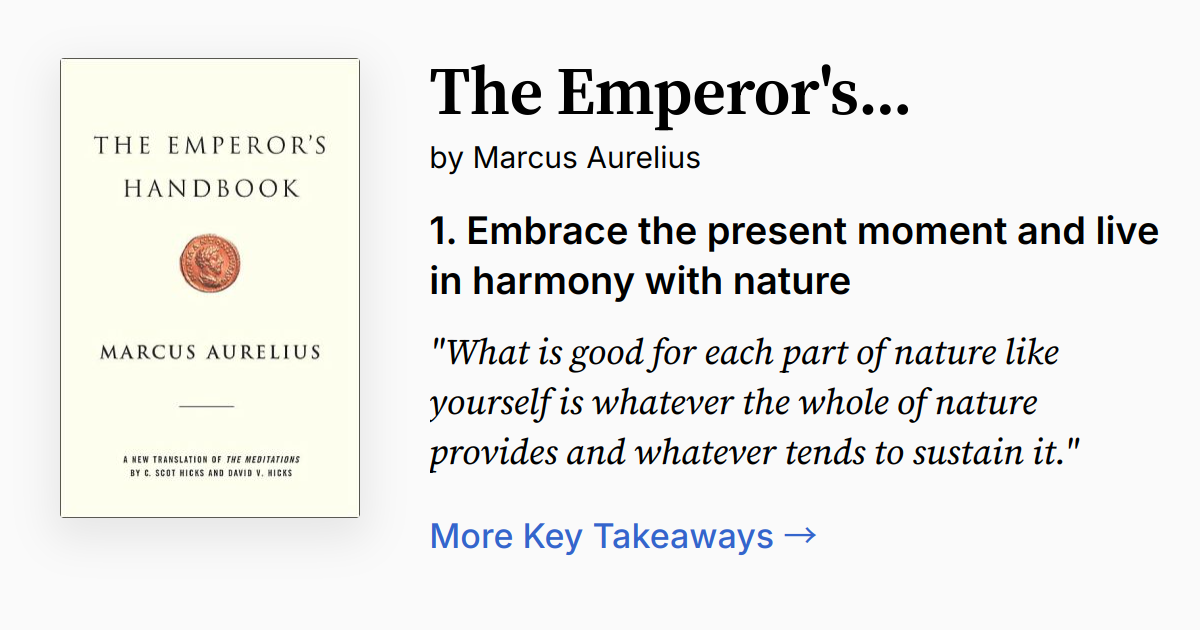
The Emperor's Handbook
Marcus Aurelius
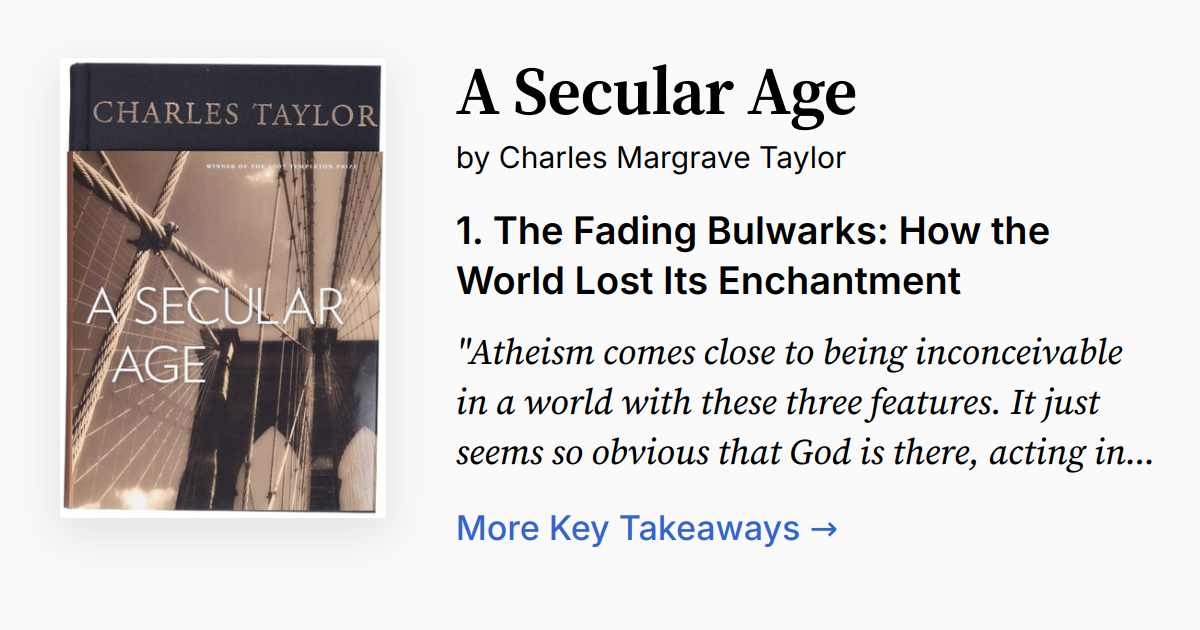
A Secular Age
Charles Margrave Taylor
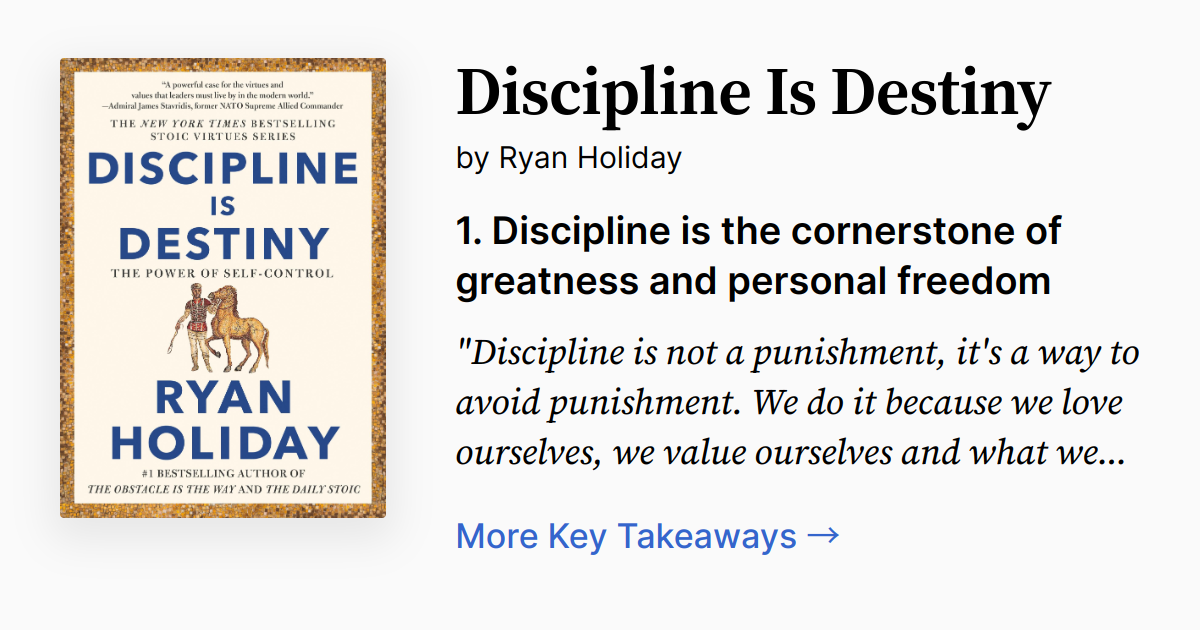
Discipline Is Destiny
Ryan Holiday