Philosophy
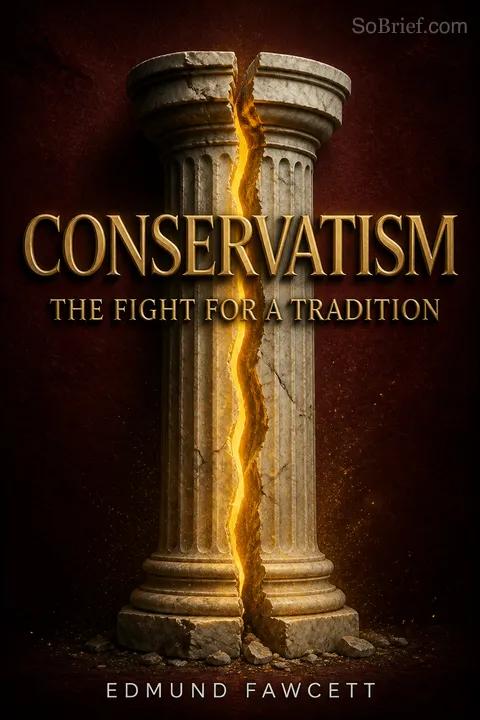
Conservatism
by Edmund Fawcett · 1984
★4.28
Conservatism
10 Takeaways: 1) Conservatism's Genesis: A Reaction to Liberal Modernity
Key Insight 1: Conservatism's Genesis: A Reaction to Liberal Modernity
This insight from Conservatism by Edmund Fawcett represents one of the foundational ideas in this philosophical work.
Key Insight 2: The Enduring Conservative Outlook: Order, Hierarchy, and Human Imperfection
This insight from Conservatism by Edmund Fawcett represents one of the foundational ideas in this philosophical work.
Key Insight 3: The Central Dilemma: Compromise or Resist Liberal Democracy
This insight from Conservatism by Edmund Fawcett represents one of the foundational ideas in this philosophical work.
Key Insight 4: The Right's Intellectual Awakening: Turning Reason Against Liberalism
This insight from Conservatism by Edmund Fawcett represents one of the foundational ideas in this philosophical work.
Key Insight 5: Defending Capitalism, Distrusting Mass Democracy
This insight from Conservatism by Edmund Fawcett represents one of the foundational ideas in this philosophical work.
Key Insight 6: The Post-War Resurgence: Mainstream Conservatism Embraces Liberal Democracy
This insight from Conservatism by Edmund Fawcett represents one of the foundational ideas in this philosophical work.
Key Insight 7: The Rise of the Hard Right: Challenging the Liberal-Conservative Consensus
This insight from Conservatism by Edmund Fawcett represents one of the foundational ideas in this philosophical work.
Key Insight 8: The Hard Right's Rhetorical Arsenal: Decline, Capture, Enemies, and Victimhood
This insight from Conservatism by Edmund Fawcett represents one of the foundational ideas in this philosophical work.
Key Insight 9: Populism: An Elite's Claim to Speak for "The People"
This insight from Conservatism by Edmund Fawcett represents one of the foundational ideas in this philosophical work.
Key Insight 10: The Unresolved Quest for a Distinct Conservative Philosophy
This insight from Conservatism by Edmund Fawcett represents one of the foundational ideas in this philosophical work.
You Might Also Like
See all →
Man's Search for Meaning
Viktor Frankl
Doorway to Artistry
Esther Lightcap Meek
IGNORANCE (L')
Milan Kundera
Awakening From the Meaning Crisis
John Vervaeke
Buddhism
Alan W. Watts
Power, Freedom, and Grace
Deepak Chopra
365 Science of Mind
Ernest Shurtleff Holmes
The Psychology of Human Misjudgement
Charles T. Munger

Everything Is Never Enough
Bobby Jamieson

Hyperreality
Mike Hockney

Love Thy Body
Nancy R. Pearcey
The Matter With Things
Iain McGilchrist