Business
SELL LIKE CRAZY
by Sabri Suby · 2024 · 307 pages
★4.58· 1436 ratings
SELL LIKE CRAZY
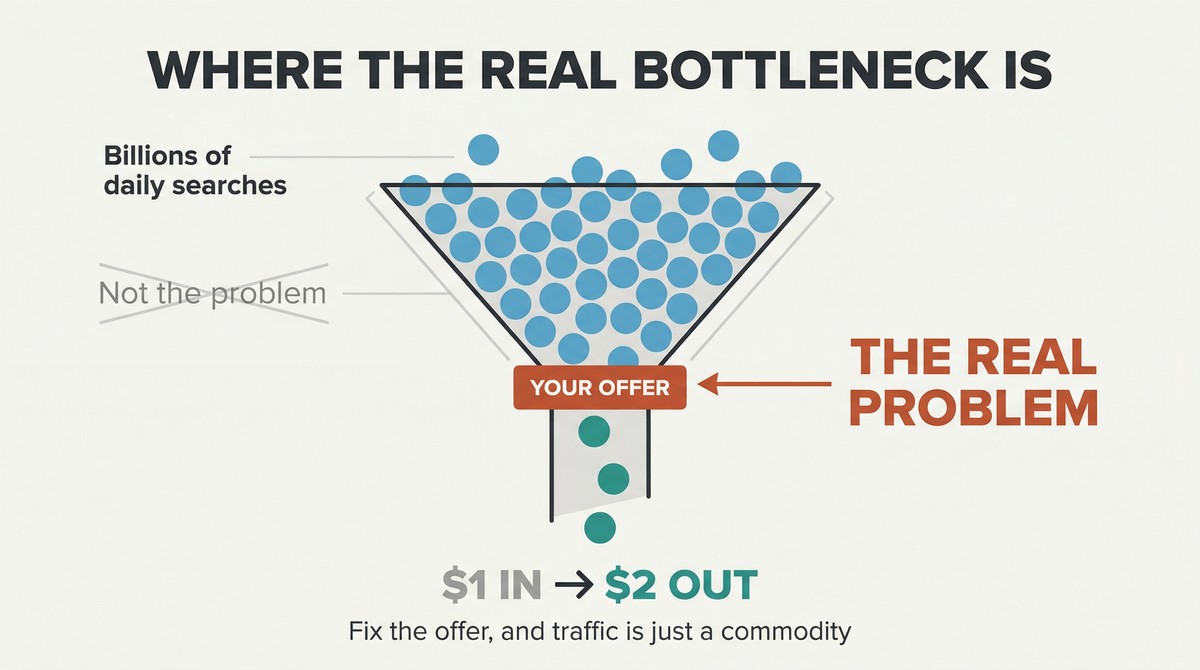
Your business doesn't have a traffic problem — it has an offer problem
“ If you can't pay money to acquire a new customer, you do not have a business. ” e.style.display='none');if(typeof getContentsSections==='function')setTimeout(getContentsSections,50)" /> Traffic is a commodity. Google processes 3.5 billion searches per day. Facebook has over 2.2 billion monthly active users. Anyone with a credit card can buy as many website visitors as they want within hours. Yet most business owners blame low sales on insufficient traffic — which makes zero sense in an era of unprecedented access to audiences. The real bottleneck is conversion. Suby's entire selling system i
Lesson 1: Your business doesn't have a traffic problem — it has an offer problem
This principle from SELL LIKE CRAZY is backed by Sabri Suby's extensive research and real-world examples. Understanding it deeply can shift how you approach decisions, relationships, and long-term planning in meaningful ways.
Lesson 2: Outwork everyone — it's the only variable fully in your control
This principle from SELL LIKE CRAZY is backed by Sabri Suby's extensive research and real-world examples. Understanding it deeply can shift how you approach decisions, relationships, and long-term planning in meaningful ways.
How to Apply SELL LIKE CRAZY's Lessons
The real value of SELL LIKE CRAZY lies in its applicability. After reading, the most important step is identifying which of Sabri Suby's principles speak most directly to your current situation.
Consider keeping a journal while reading — noting where the ideas challenge your current approach and where they confirm what you already suspected. The friction of your own resistance often points to the most important insights.
Key Quote
"Your business doesn't have a traffic problem — it has an offer problem" — Sabri Suby, SELL LIKE CRAZY
About the Author
Sabri Suby is the author of SELL LIKE CRAZY. The book reflects years of research, observation, and synthesis of evidence from multiple disciplines.
You Might Also Like
See all →
Never Split the Difference
Chris Voss
Zero to One
Peter Thiel
Broken Money
Lyn Alden
$100M Leads
Alex Hormozi
Less Is More
Jason Hickel
Main Street Millionaire
Codie Sanchez
Broken Money
Lyn Alden
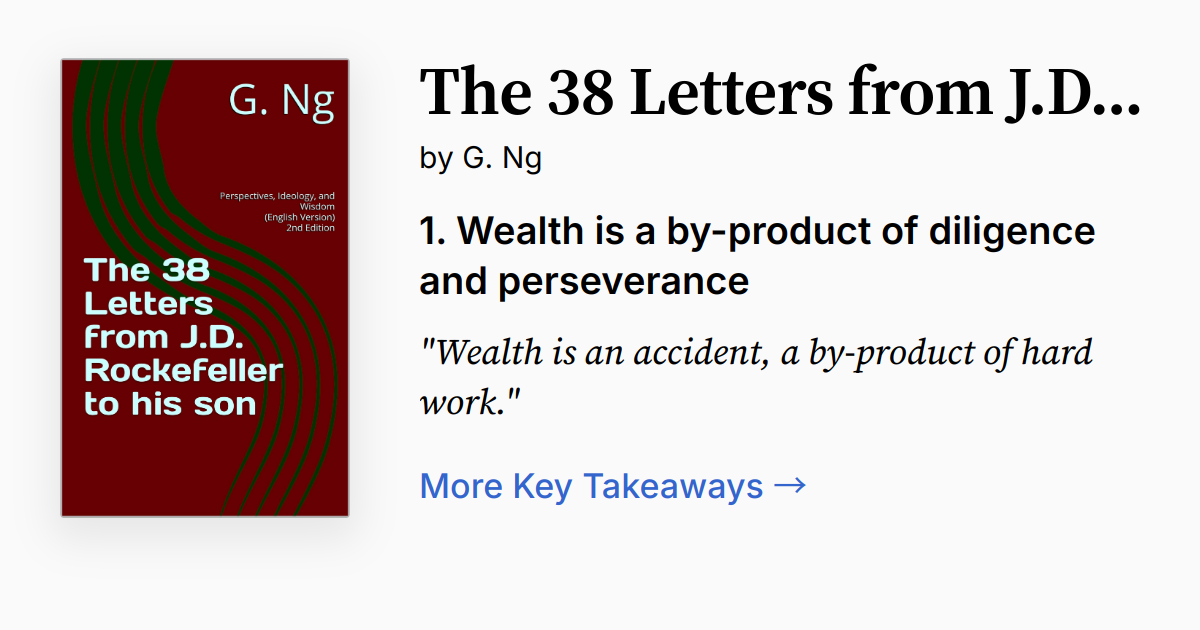
The 38 Letters from J.D. Rockefeller to His Son
范毅然
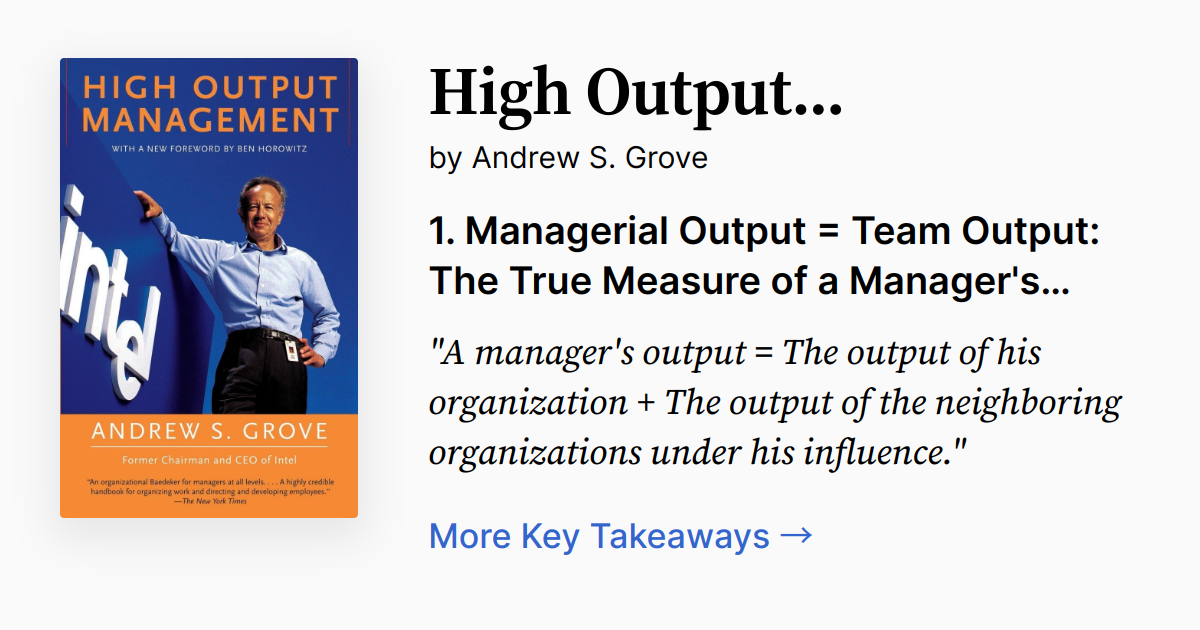
High Output Management
Andrew S. Grove
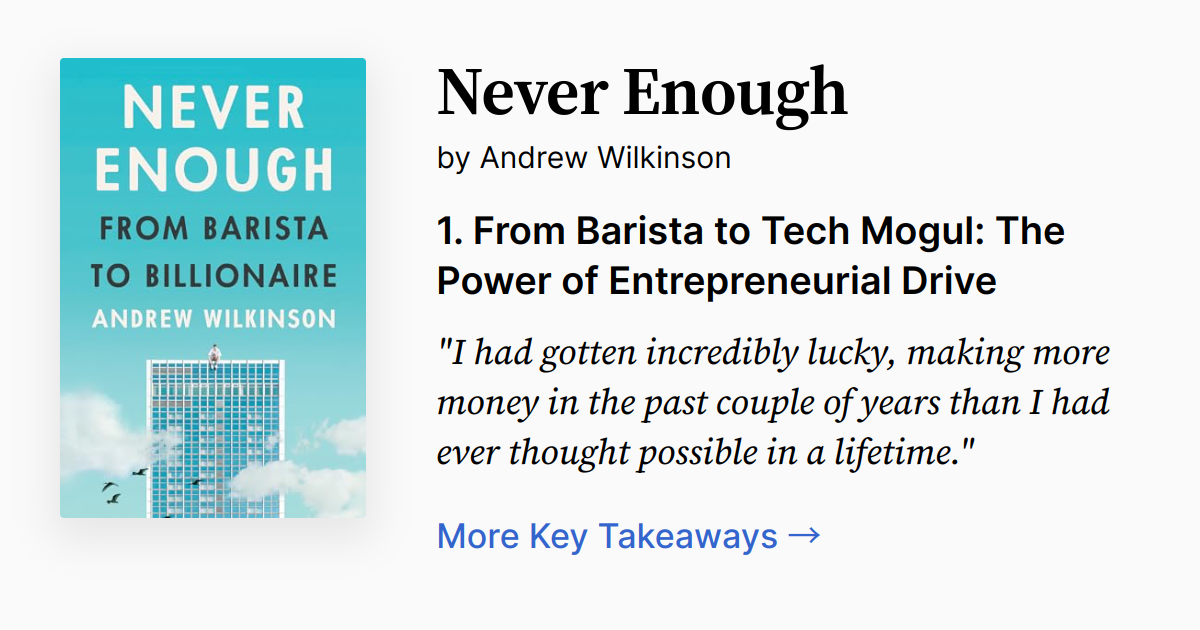
Never Enough
Andrew Wilkinson
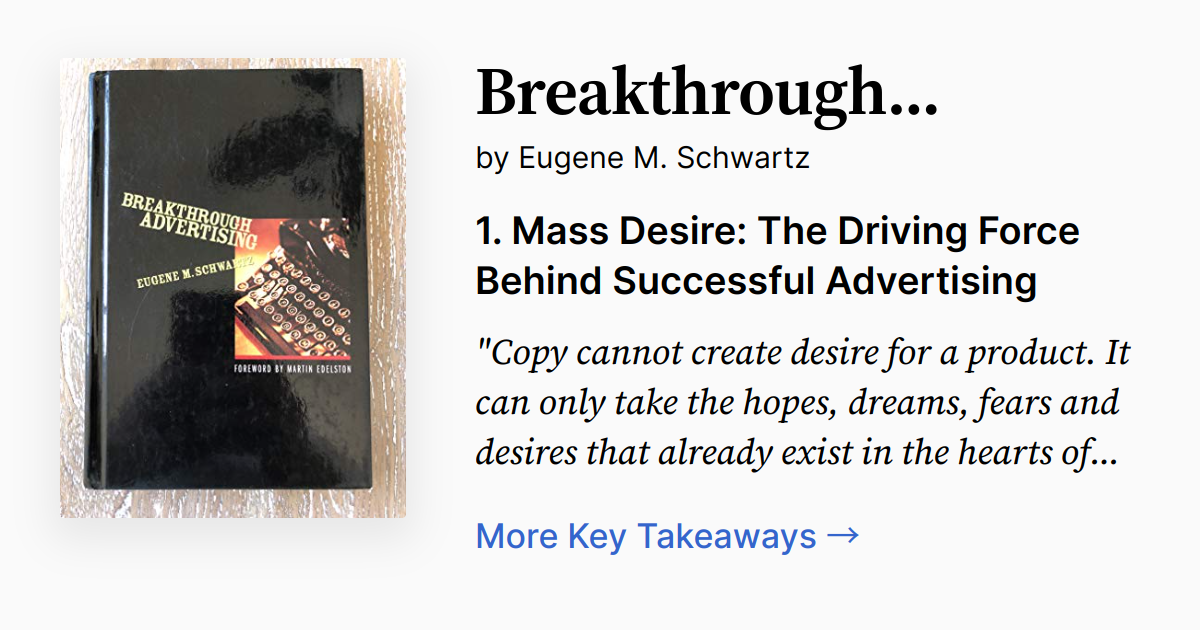
Breakthrough Advertising
Eugene M. Schwartz
The Simple Path to Wealth
J.L. Collins